
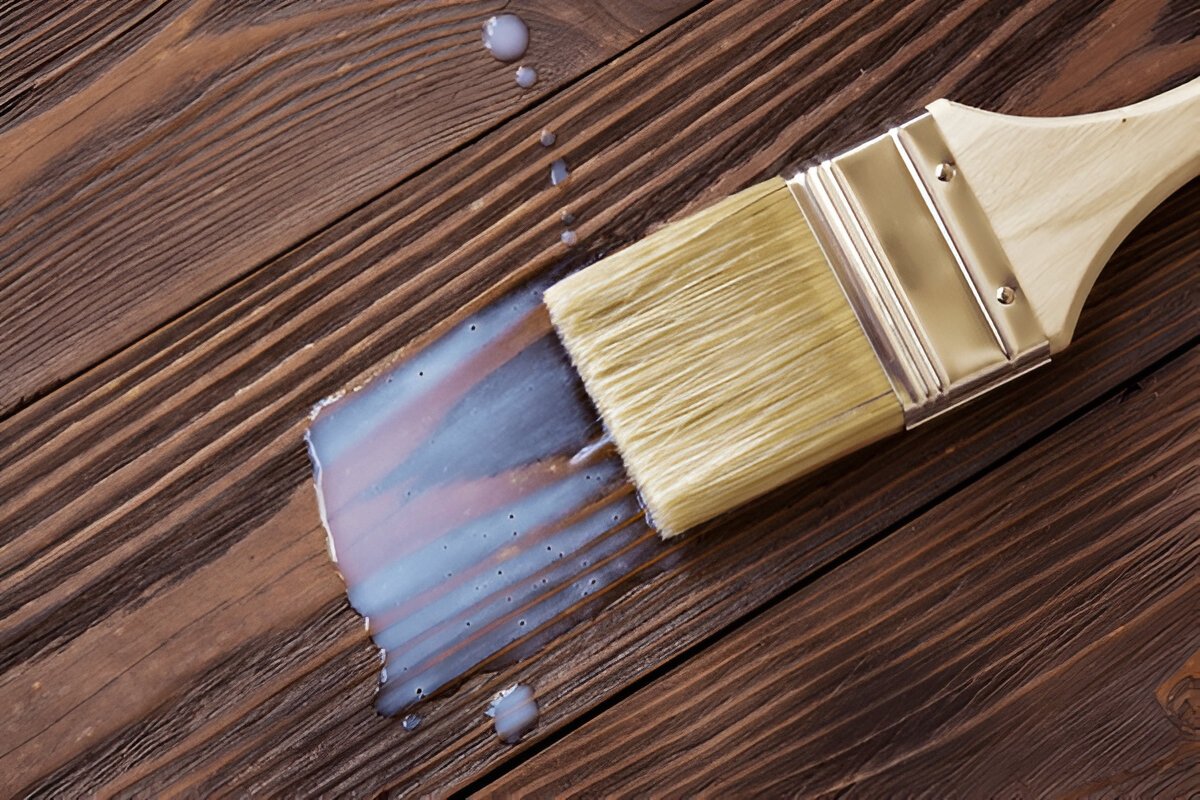
A deck is one of the most valued outdoor features of a home, providing a space for relaxation, family gatherings, and outdoor dining. However, constant exposure to sun, rain, snow, and foot traffic can wear down its appearance and structural integrity over time. To protect and enhance a deck, homeowners often choose between deck staining and deck painting.
Both options have unique benefits and drawbacks. Choosing the right one depends on your deck’s material, desired appearance, maintenance expectations, and budget. This guide will explore the pros and cons of deck staining vs. deck painting so you can make an informed decision.
Understanding the Difference Between Deck Stain and Deck Paint
- Deck Staining: A semi-transparent or solid finish that penetrates the wood, highlighting its natural grain while adding color and protection.
- Deck Painting: A thicker, opaque coating that sits on top of the wood, providing a uniform look and complete color coverage.
Pros and Cons of Deck Staining
Pros
- Enhances Natural Wood Beauty
Stains highlight the natural texture and grain of wood, giving a more natural and rustic look.
- Penetrates the Wood
Instead of forming a film, stain soaks into the wood, reducing the risk of peeling or chipping.
- Easier to Reapply
When it fades, you can clean and reapply without heavy stripping.
- Better Moisture Resistance
Penetrating stains help protect the wood from water damage.
Cons
- Shorter Lifespan
Most deck stains last 2 to 4 years before needing reapplication.
- Limited Color Choices
While some stains come in multiple shades, the selection is smaller than paint.
- Less UV Protection
Lighter stains offer minimal protection from sun fading compared to paint.
Pros and Cons of Deck Painting
Pros
- Longer-Lasting Protection
A high-quality deck paint can last 5 to 7 years before requiring maintenance.
- Wider Color Selection
Paint offers virtually unlimited colors for complete customization.
- Better UV Protection
The thick layer of paint shields the wood from sun damage and fading.
- Hides Imperfections
Paint covers cracks, knots, and discolorations for a uniform appearance.
Cons
- Can Peel or Chip
Over time, moisture can get under the paint layer, causing peeling and chipping.
- Hides Natural Grain
Paint covers the wood’s natural texture, which some homeowners prefer to showcase.
- Harder to Refinish
Repainting often requires sanding or stripping old paint layers.
Deck Staining vs. Deck Painting: Quick Comparison
| Feature | Deck Staining | Deck Painting |
| Appearance | Natural wood grain visible | Opaque, hides grain |
| Longevity | 2–4 years | 5–7 years |
| Maintenance | Easier to touch up | Requires more prep for recoating |
| Color Options | Limited | Wide variety |
| UV Protection | Moderate | High |
| Risk of Peeling | Low | Moderate to high |
Case Study: Deck Refinishing in Toronto
A homeowner in Toronto had a weathered cedar deck that had not been treated in over five years. They debated between staining and painting.
Situation:
- The deck had a beautiful grain pattern but was showing signs of water damage in certain spots.
- The homeowner wanted to protect it while maintaining a natural look.
Decision:
They chose a high-quality semi-transparent stain to enhance the cedar’s natural color and provide moisture protection.
Outcome:
The finished deck looked vibrant, highlighted the natural wood grain, and has maintained its appeal with only minor touch-ups after three years.
Frequently Asked Questions
Q1: Which option is better for older decks?
Paint can hide imperfections on older decks, while stain works well if the wood is still in good condition.
Q2: Can I switch from paint to stain?
It is possible but requires stripping and sanding to remove all paint for the stain to penetrate.
Q3: Does stain last as long as paint?
Generally, paint lasts longer, but stain is easier to maintain and refresh.
Q4: Which option is more slip-resistant?
Both can be slip-resistant if additives are included in the finish, though textured paint can provide extra grip.
Q5: Can I stain or paint in cold weather?
It’s best to apply both products in temperatures between 10°C and 30°C with low humidity for optimal curing.
Final Thoughts
Both deck staining and deck painting have their advantages, and the choice ultimately depends on your deck’s condition, your maintenance preferences, and your style goals. If you love the natural beauty of wood, staining may be best. If you prefer a bold, uniform finish and longer-lasting coverage, painting could be the right choice.
For professional deck staining and painting services in Brampton and Toronto, contact Pro Renewal Services Inc today to protect and beautify your deck with expert craftsmanship.

