

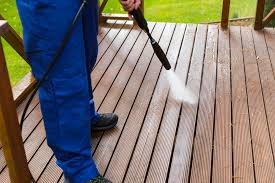
Soft washing is an effective cleaning method that uses low-pressure water combined with specialized cleaning solutions to safely remove dirt, algae, mold, mildew, and other contaminants from exterior surfaces. Unlike pressure washing, which relies on high-pressure streams, soft washing gently cleans while protecting delicate materials such as siding, decks, and roofs.
In Brampton and Toronto, where seasonal weather changes can lead to rapid buildup of grime and organic growth, soft washing has become an essential part of exterior home maintenance. This guide covers the best practices for soft washing your house or deck to ensure a thorough, safe, and long-lasting clean.
Why Choose Soft Washing Over Pressure Washing
While pressure washing can be effective for hard surfaces like concrete driveways, it can damage softer materials. Soft washing offers several advantages:
- Protects wood, vinyl, and painted surfaces from cracking or stripping
- Effectively removes organic growth at its root level
- Uses eco-friendly cleaning solutions for safer results
- Extends the lifespan of siding, decks, and roofing materials
Best Practices for Soft Washing Your House or Deck
1. Inspect the Surface Before Washing
Before starting, check for any loose paint, cracked boards, or structural issues. Addressing these repairs first ensures the cleaning process does not worsen the damage.
2. Choose the Right Cleaning Solution
A key component of soft washing is the cleaning agent.
- For mold and mildew removal, a diluted sodium hypochlorite solution is often used.
- For general dirt and grime, mild biodegradable detergents are effective.
Always follow the manufacturer’s dilution guidelines to avoid damaging the surface.
3. Use Low-Pressure Equipment
Soft washing requires a pressure level of 500 PSI or less. High-pressure streams can erode wood fibers, strip paint, or cause water intrusion behind siding.
4. Apply the Cleaning Solution Evenly
Using a soft wash system or low-pressure sprayer, apply the cleaning solution from the bottom up to prevent streaking. Allow the solution to dwell for the recommended time to break down contaminants.
5. Rinse Thoroughly
After the dwell time, rinse with clean water using low pressure. Start from the top and work down to avoid leaving streaks.
6. Protect Nearby Plants and Landscaping
Before applying cleaning agents, wet plants and cover them with breathable tarps to prevent damage from overspray.
7. Schedule Regular Maintenance
In areas with high humidity or shaded spots, algae and mildew can return quickly. Plan soft washing every 12 to 18 months for optimal results.
Soft Washing vs Pressure Washing: Key Differences
| Feature | Soft Washing | Pressure Washing |
| Water Pressure | Low (under 500 PSI) | High (1,500 to 4,000 PSI) |
| Cleaning Method | Cleaning solutions + gentle rinse | Forceful water stream |
| Best For | Siding, decks, roofs, fences | Concrete, brick, stone |
| Risk of Damage | Very low | Moderate to high |
| Removes Organic Growth | Yes, at the root | Often surface-level only |
Case Study: Deck Soft Washing in Brampton
A homeowner in Brampton noticed their cedar deck had developed dark stains and slippery algae patches. Rather than risk damage with a pressure washer, they opted for a professional soft washing service.
Process followed:
- The deck was inspected for loose boards and nails.
- A biodegradable deck cleaner with a mild algaecide was applied evenly.
- After 10 minutes of dwell time, the surface was gently rinsed.
- Plants surrounding the deck were watered before and after the process to prevent damage from overspray.
Outcome:
The deck’s natural wood tone was restored without splintering or erosion, and the homeowner now schedules soft washing annually to maintain its appearance.
Frequently Asked Questions
Q1: Can I soft wash painted siding?
Yes, soft washing is ideal for painted surfaces as it prevents chipping and paint loss compared to pressure washing.
Q2: What time of year is best for soft washing?
Spring and early summer are ideal to remove winter residue and prepare for outdoor living.
Q3: Is soft washing safe for all types of wood decks?
Yes, with the right cleaning solution and low-pressure rinse, soft washing is safe for cedar, pine, and composite decking.
Q4: How long do results last?
Results typically last 12 to 18 months depending on weather, shade, and humidity levels.
Q5: Can I do soft washing myself?
DIY is possible with the right equipment and cleaning solutions, but professional services ensure correct chemical use and prevent accidental damage.
Final Thoughts
Soft washing is a safe, effective, and environmentally friendly method to clean and preserve your home’s exterior surfaces. By using low pressure and the right cleaning solutions, you can protect your siding and deck while maintaining their beauty for years to come.
For professional soft washing services in Brampton and Toronto, contact Pro Renewal Services Inc today for a free consultation and transform your home’s exterior the safe way.